About
Electric Insights.
A senior-led methodology firm. Every model is paired with a public tool, so the team using the number can test the explanation themselves.
What we do
Electric Insights builds explanatory models and the interactive tools that go with them — for insights teams, decision analysts, and strategic buyers who need to know not just what a number is but why it’s that number, and how it would shift under different conditions. Every engagement leaves the client with a working tool, not just a report.
The firm works with a small number of clients at a time. The size is a deliberate choice — it keeps the bar high on every project and lets the work speak for itself.
The case studies on this site — the NBA 3-Point Study and the CPG concept-test case — are built on public or de-branded data for a reason. They exist to show, concretely, what the approach produces before any client conversation begins.
The Founder
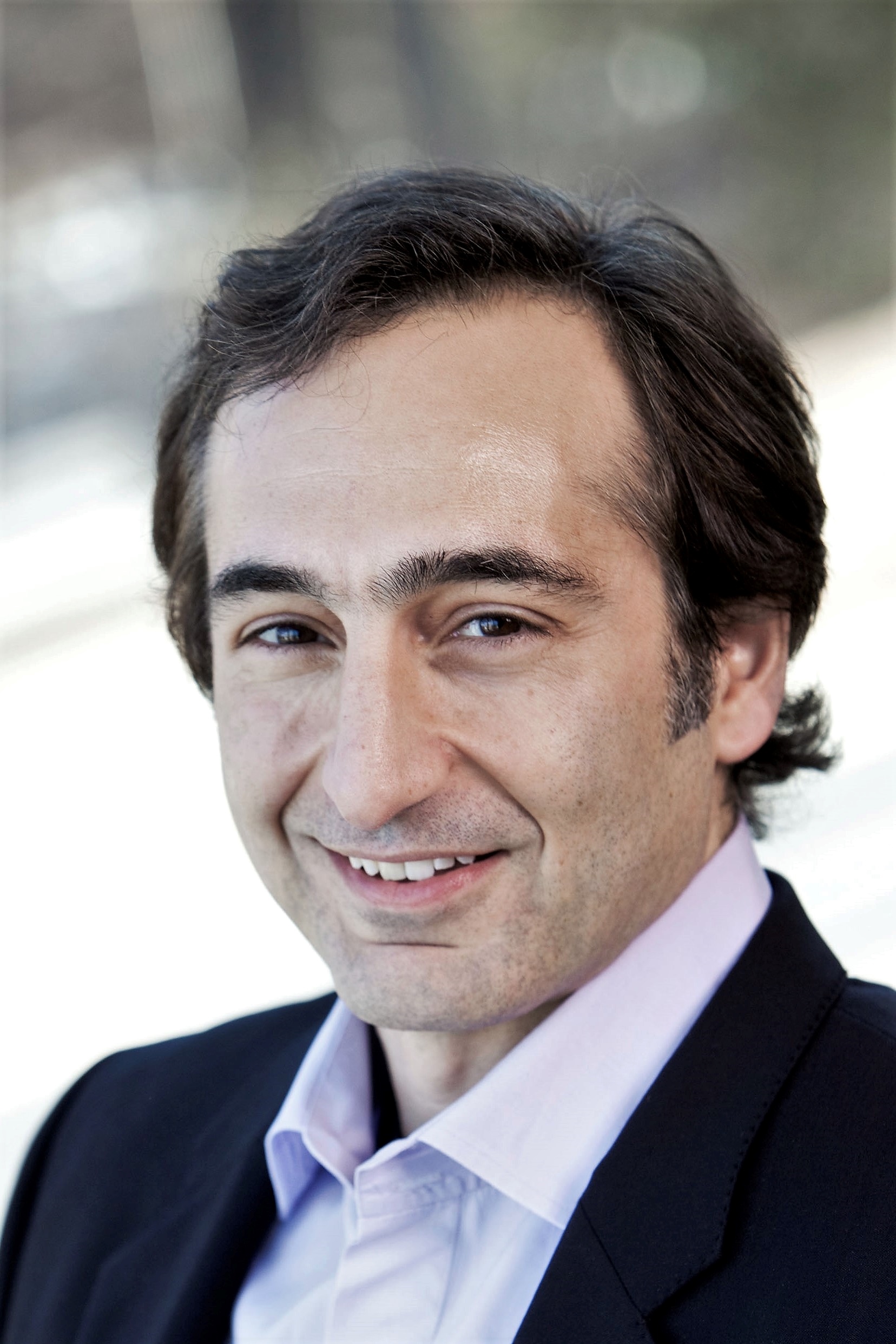
George Terhanian, Ph.D.
Founder
George Terhanian founded Electric Insights in 2019, after more than two decades in C-suite roles in market and public-opinion research. He is widely credited with introducing propensity scoring to the market research industry.
His career arc spans three companies. He spent fourteen years at Harris Interactive — an original member of the small team that built the company's internet research offering through its 1999 IPO, later serving as President of Global Solutions and President of Harris Interactive Europe & Global Internet Research. He went on to serve as President, Toluna North America, and as President, Analytic Solutions and Group Chief Research & Analytics Officer at The NPD Group.
His methodological work spans internet sampling, bias correction in nonprobability samples, and the translation of regression results into easy-to-interpret terms — the last of which is the thesis underlying the Electric Insights approach. He has served on boards or advisory groups for the US National Academy of Sciences, the Advertising Research Foundation, the Insights Association, ESOMAR, and the British Polling Society. He holds a Ph.D. with Distinction from the University of Pennsylvania and an Ed.M. from Harvard University.
Selected credentials
Where the approach comes from
Electric Insights is not a reinvention. The approach builds on a long line of work in market and public-opinion research that took explanation, transparency, and non-specialist communication seriously.
Explanatory research
Moving from toplines to interpretable explanation
Good research treats a topline as the beginning of interpretation, not the end. The aim is to explain why a number looks the way it does in language that decision-makers and non-specialists can follow, while keeping the analytical assumptions visible.
Transparent methodology
Methods that can be inspected and challenged
Methodology is more useful when its rules can be inspected rather than hidden behind a result. That principle — that users should be able to see how a number was produced, not only the number itself — shapes the firm's approach to transparency and tool design.
Applied modeling in research
Propensity scoring, explanatory regression, decision-relevant statistics
Strong modeling methods have been in the market research literature for decades but have often stopped at the journal page. The work here brings them into the decision room — coefficients translated into the units the brand team already uses, every model paired with a tool the team can run themselves.
How we work with clients
What you can count on across every engagement, regardless of tier or domain.
Senior-led, end to end
Every engagement is led by the founder directly. No hand-off to associates, no subcontracted methodology.
Confidential when it should be
Client data stays client data. The case studies on this site are public because we chose public datasets for them.
Your team, not just your data
We leave every engagement with at least one session focused on helping your team use and communicate the results.
Ready to see the approach on your data?
The Services page describes how we engage. Brand and concept-test teams may prefer the dedicated overview for their audience.